

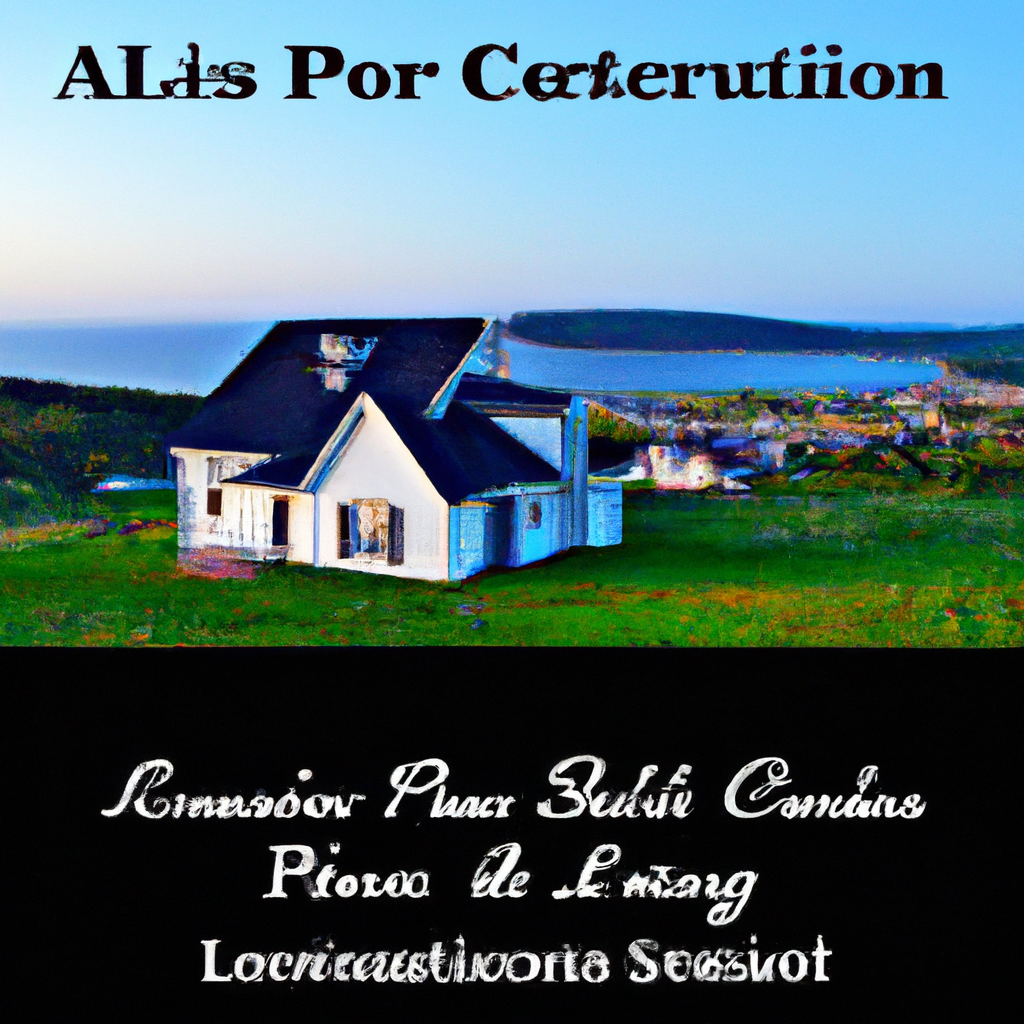
Acquiring land in Cape Breton is not just an investment in a plot of earth but an investment in a lifestyle rich with stunning landscapes and vibrant communities. Whether you are drawn by the rugged coastlines, the serene landscapes, or the welcoming local culture, understanding the nuances of the real estate market here is crucial. This guide provides essential information to help you navigate the complexities of buying land in this beautiful part of Nova Scotia.
Understanding the Local Market
The real estate market in Cape Breton can vary significantly from one area to another. Coastal properties, especially those with ocean views or access, tend to be in higher demand and can command premium prices. In contrast, inland properties, while potentially less costly, offer expansive spaces and are often situated in tranquil settings. It’s important to research and compare property prices in different parts of the island to find the best value for your needs and budget.
Zoning Regulations and Land Use
Before you commit to buying land in Cape Breton, it’s crucial to understand local zoning laws and land use regulations. Each municipality has its own set of rules that dictate what you can and cannot do with your land. These regulations can affect everything from building homes or businesses to farming and other land uses. Ensure that the land you are interested in is zoned for the intended use, or that you have a viable path to seek re-zoning, if necessary.
Access to Utilities and Infrastructure
When considering rural or undeveloped land in Cape Breton, don’t overlook the availability and cost of connecting to essential utilities such as water, electricity, and internet. Some remote areas may require significant investment to bring in these services, which can impact your budget and timeline for developing the property. Always check the existing infrastructure and understand what upgrades or installations are needed.
Environmental Considerations
Cape Breton’s natural environment is one of its biggest attractions, but it also demands respect and protection. Be aware of any environmental protections or restrictions on the land you’re considering. This can include proximity to protected wildlife habitats, wetlands, or other ecological features. Some areas may also be more prone to natural events like flooding or erosion, which could affect your decision-making and future property use.
Community and Lifestyle
The community you choose to buy land in can greatly influence your lifestyle. Cape Breton is known for its strong sense of community and cultural heritage, particularly its Celtic roots which are celebrated with music, dance, and festivals. Consider how local community values align with your lifestyle. Whether you’re looking for a quiet retreat or a vibrant community network, there’s likely a place in Cape Breton that meets your needs.
Future Developments and Property Values
Keep an eye on any planned developments or changes in local policies that could affect property values. Development can be a double-edged sword; while it might increase land value, it could also change the landscape and character of the area. Engaging with local planning departments or community councils can provide insights into future changes that might impact your investment.
Purchasing land in Cape Breton offers a unique opportunity to own a piece of one of Canada’s most picturesque landscapes. Whether you are looking to build a home, start a business, or simply hold the land for future use, being well-informed about these factors will help ensure that your investment is sound and meets your long-term goals. Cape Breton is not just a place to live; it’s a place to thrive.