


Cape Breton real estate · Local answers
Local answers from a local REALTOR®.
Straight talk about buying and selling in Cape Breton, from Jessica Mugford, REALTOR® with RE/MAX Park Place Inc. in Sydney.
Cape Breton Coastal Living
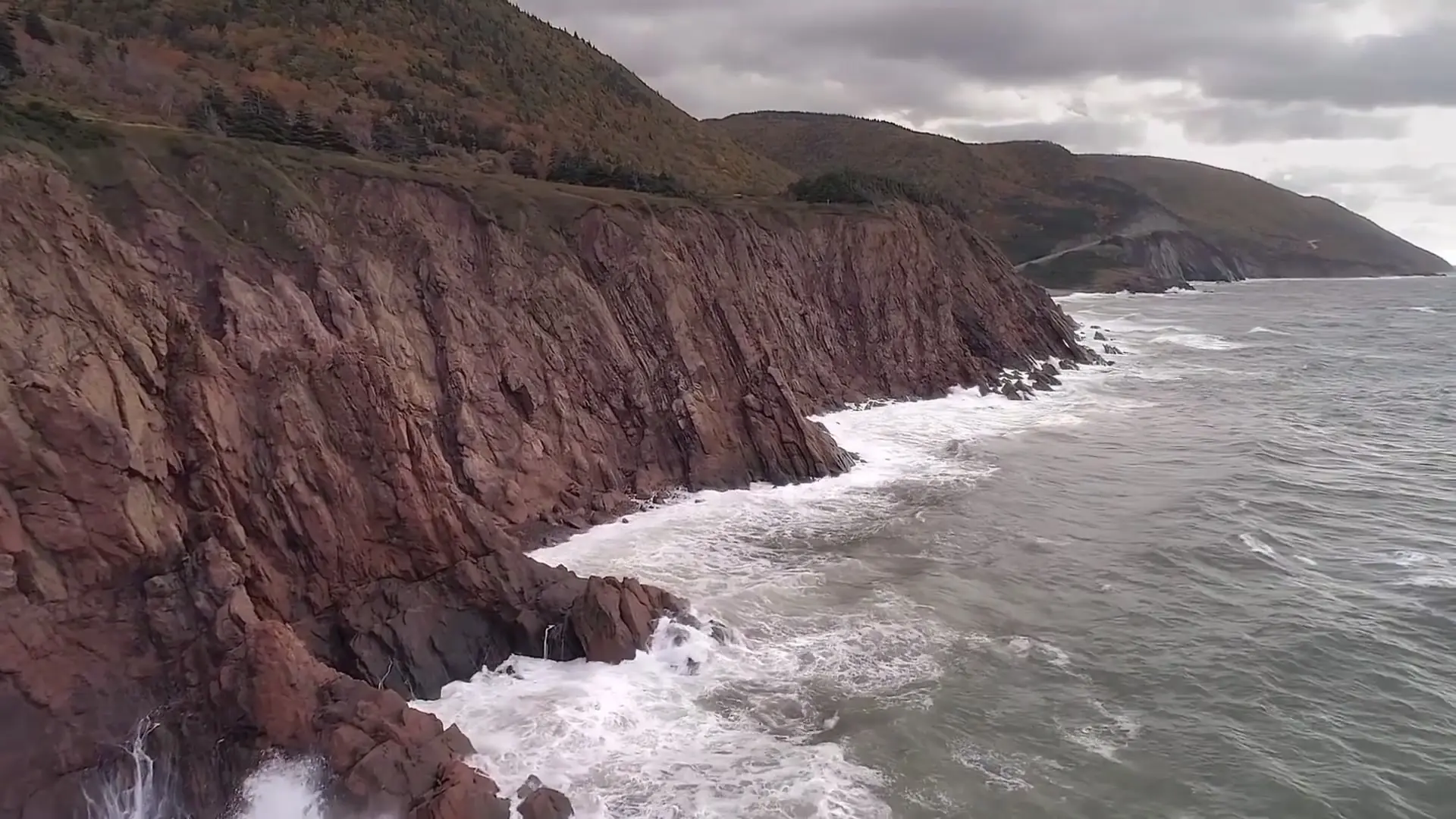
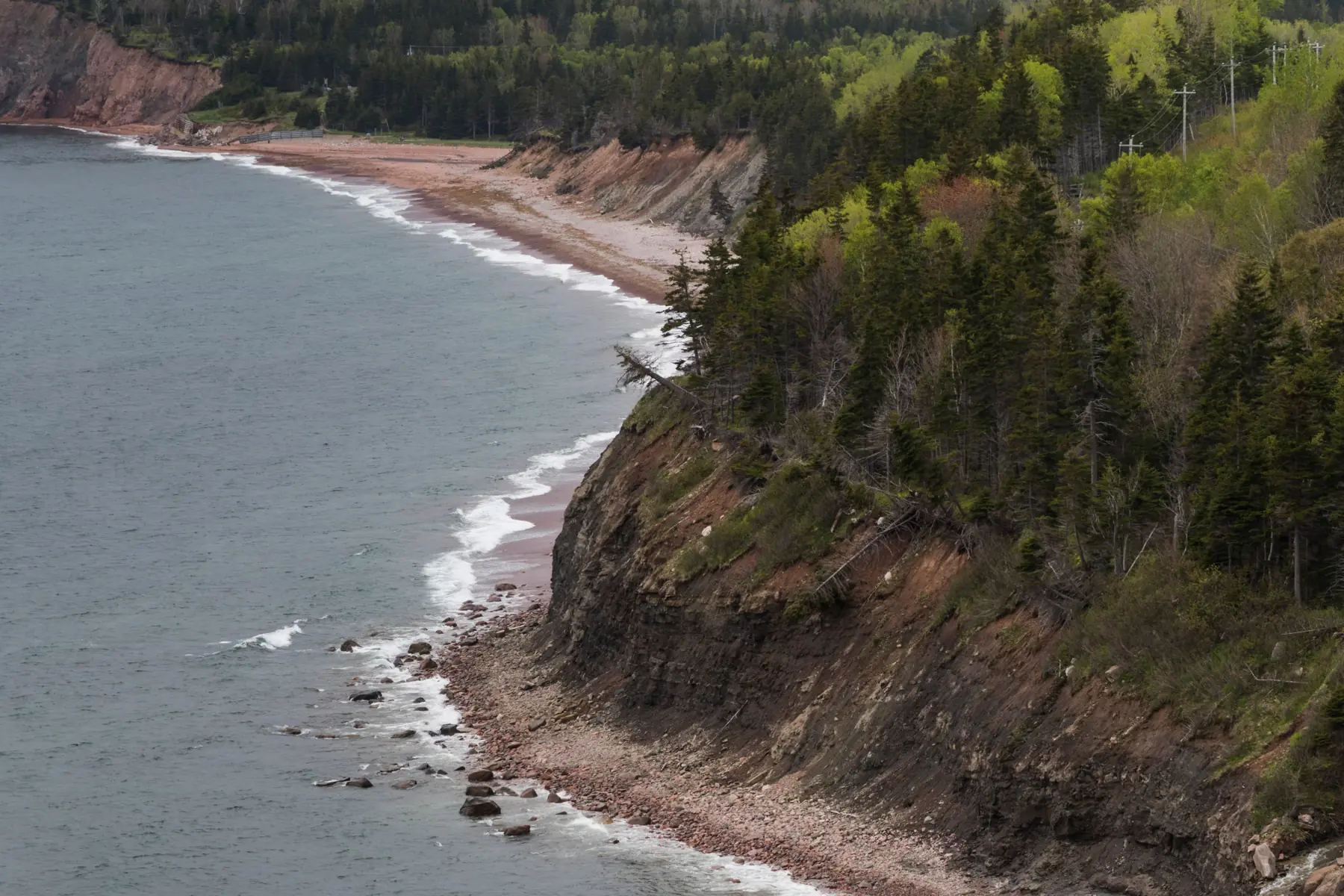
Helping clients find and purchase homes in Cape Breton's most desirable coastal neighborhoods is what Mugford Realty specializes in. Cape Breton coastal living represents a distinct real estate market segment on Nova Scotia's largest island, characterized by oceanfront and near-water properties with specific valuation patterns, environmental considerations, and lifestyle appeal that differ materially from inland residential offerings.
The appeal of settling along Cape Breton's shores draws a diverse buyer demographic. Empty nesters seeking retirement properties, young families wanting four-season water access, remote workers prioritizing scenic environments, and real estate investors targeting the Atlantic Canada tourism market all compete in this space. Understanding the mechanics of this market - how properties are valued, what regulatory frameworks apply, and which neighborhoods align with your specific needs - requires local expertise and systematic market analysis.
Mugford Realty's residential real estate services address the particular complexities coastal buyers face. Water view properties in Cape Breton command different financing terms than comparable inland homes. Septic systems, flood zone classifications, and saltwater corrosion factors influence both purchase decisions and long-term property costs. MLS listings for waterfront homes move differently than standard residential inventory, and buyer representation in this niche requires knowledge of seasonal market patterns specific to the Island.
Waterfront vs. Near-Water Properties in Cape Breton
True waterfront property in Cape Breton - defined by direct oceanfront land with beach or direct water access - comprises approximately 15-20 percent of coastal residential listings and commands premium pricing that reflects both scarcity and operational complexity. Near-water homes, positioned within sight of the ocean but separated by roads, buffer land, or short walking distances, represent the majority of coastal inventory and offer middle-ground positioning between oceanfront premiums and standard residential valuations.
The distinction matters operationally. Waterfront properties in Cape Breton require specialized inspection protocols for sea wall condition, erosion patterns, and salt spray exposure on structures. Financing becomes more complicated because lenders assess flood risk and storm surge vulnerability with greater scrutiny. Insurance costs rise measurably. Maintenance cycles accelerate - exterior finishes, roofing materials, and mechanical systems all degrade faster in coastal environments.
Near-water locations eliminate many of these friction points while preserving visual and recreational access. A home two hundred meters from the waterline in communities like Bras d'Or, Big Bras d'Or, or along the Cabot Trail still qualifies as coastal living in the lifestyle sense without triggering the premium costs and operational demands of true oceanfront ownership. Buyers often find that near-water purchases deliver the experience they want at substantially better long-term value.
Market Dynamics and Valuation in Cape Breton Coastal Neighborhoods
Property values along Cape Breton's coastline reflect a convergence of factors that differ from broader Nova Scotia real estate market patterns. Proximity to specific amenities - functioning harbors, hiking access, artistic communities, seasonal tourism infrastructure - creates localized value clusters rather than consistent coastal pricing. A home in a established waterfront neighborhood commands different terms than comparable oceanfront acreage in an undeveloped area.
Seasonal market behavior shapes buyer strategy in ways that inland real estate does not. Summer brings visiting buyers and out-of-province investors exploring second home possibilities, which elevates listing prices. Winter months see reduced inventory and a smaller pool of serious purchasers, but motivated sellers sometimes accept more flexible terms. Sellers working with Mugford Realty gain advantage through market timing guidance informed by years of tracking these patterns across Cape Breton Island.
The following table outlines how property characteristics influence valuation approach in coastal Cape Breton markets:
| Property Type | Typical Market Position | Key Valuation Factors | Financing Considerations |
|---|---|---|---|
| Direct Oceanfront | Premium tier (25-40% above inland) | Water views, erosion rate, setback distance, sea wall condition | Higher insurance, tighter lender standards, flood zone review |
| Near-Water (0.1-0.5 km) | Mid-tier (10-20% above inland) | View quality, road access, walking distance to beach | Standard lending, moderate insurance, environmental review typical |
| Inland with Water Views | Standard with uplift (5-15% above equivalent non-view) | View clarity and permanence, sightline protection | Standard lending and insurance, minimal coastal risk factors |
| Seasonal/Cottage Property | Varies by condition (50-70% of year-round comparable) | Insulation standards, heating systems, local rental market potential | Commercial lending track, higher interest rates, operational expense analysis |
Buyer representation through Mugford Realty includes market analysis specific to your target neighborhood in Cape Breton. Rather than applying formula-based appraisals, we examine comparable sales in the actual micro-markets where you're shopping - along the Bras d'Or Lakes, the western Cape Breton coastline, or the eastern shore - accounting for local patterns that standard MLS data alone cannot capture.
First-time coastal buyers often underestimate carrying costs beyond mortgage and property tax. A waterfront home in Cape Breton typically incurs annual maintenance budgets 30-50 percent higher than comparable inland properties, driven by exterior protection, septic system management in salt-influenced soils, and specialized insurance. Seller representation clients working with us receive clear guidance on pricing strategy that accounts for these realities, positioning their homes competitively without leaving value on the table.
The Nova Scotia real estate market overall has experienced sustained interest from Atlantic Canada relocators and remote workers, but coastal Cape Breton attracts a more specialized buyer profile. Properties marketed effectively to this demographic - emphasizing lifestyle, environmental quality, and authentic island community - move more efficiently than those positioned as generic residential inventory. Mugford Realty's property search and listing services are calibrated to match homes with the specific buyer segments most likely to value what they offer.
Whether you're buying your first coastal home in Cape Breton, selling a waterfront property, or seeking investment opportunities in this distinctive market, connecting with a real estate professional who understands local valuation patterns and buyer behavior is essential. Mugford Realty brings systematic market knowledge, established relationships with regional lenders and inspectors, and genuine familiarity with neighborhoods across Cape Breton Island. Reach out to discuss your coastal real estate goals - we're here to guide you through the process with clarity and expertise.
Frequently Asked Questions
What makes Cape Breton coastal property more expensive than inland homes?
Water access, ocean views, and lifestyle appeal command premiums of 10-40 percent depending on proximity to water and neighborhood desirability. Beyond purchase price, coastal properties carry higher insurance, specialized maintenance costs, and financing requirements that lenders apply more strictly to flood-risk areas. Understanding total cost of ownership - not just purchase price - is critical for coastal buyers.
What is the difference between oceanfront and near-water properties in Cape Breton?
Direct oceanfront homes have immediate beach or water access and command the highest premiums but face erosion risk, higher insurance, and complex financing. Near-water properties sit within walking distance or line-of-sight of the ocean, offer coastal living without oceanfront complexity, and typically represent better long-term value. Most coastal buyers find near-water homes deliver the experience they want at substantially lower risk and cost.
How do seasonal markets affect buying and selling in Cape Breton?
Summer months bring more buyers and higher list prices as vacation seekers and investors explore the market. Winter inventory shrinks but motivated sellers may accept more flexible terms. Strategic timing and professional market guidance help buyers negotiate better terms and sellers reach their target audience at the right moment.
What should I know about septic systems and environmental factors in Cape Breton coastal living?
Coastal properties rely heavily on septic systems that must handle salt-influenced soils and groundwater conditions. Inspections for percolation rates, drain field condition, and salt intrusion are mandatory. Flood zone classification, erosion potential, and storm surge risk also influence property insurance and lender approval. Professional inspection and environmental assessment are non-negotiable for coastal purchases.

Your local REALTOR®
Jessica Mugford
REALTOR®, RE/MAX Park Place Inc.
Thinking about Cape Breton? Ask Jessica anything, from prices to neighbourhoods.
- Call or text(902) 322-1684
- Emailjessicamugford0@gmail.com
Send Jessica a note
Communities
Find your corner of Cape Breton

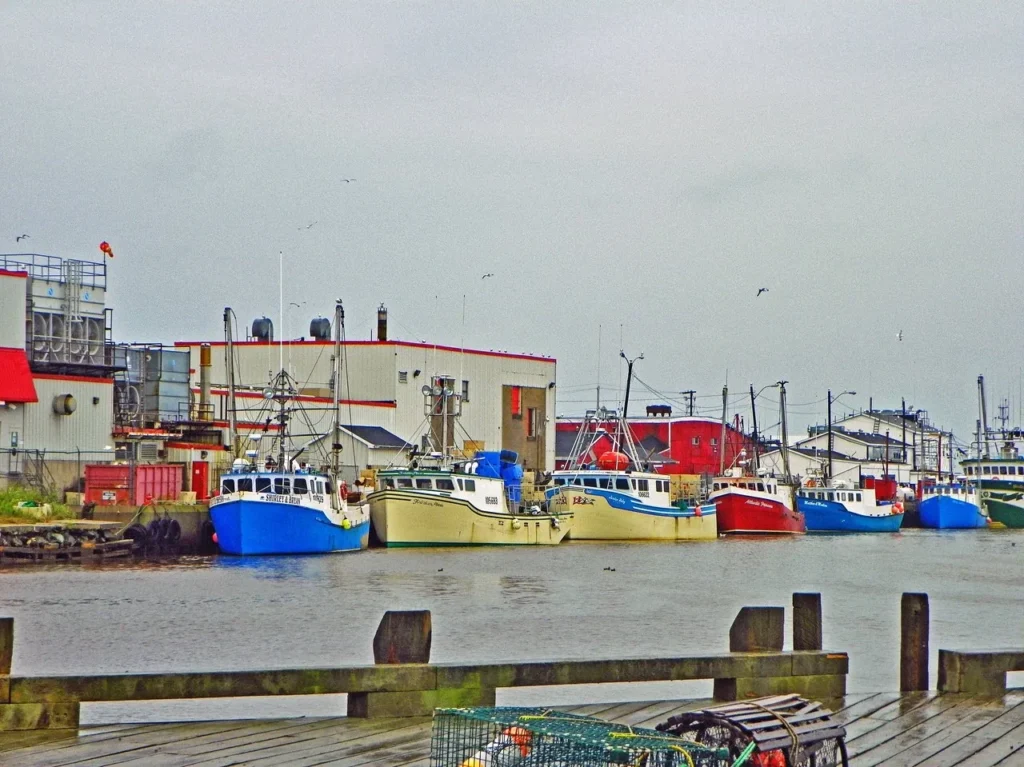


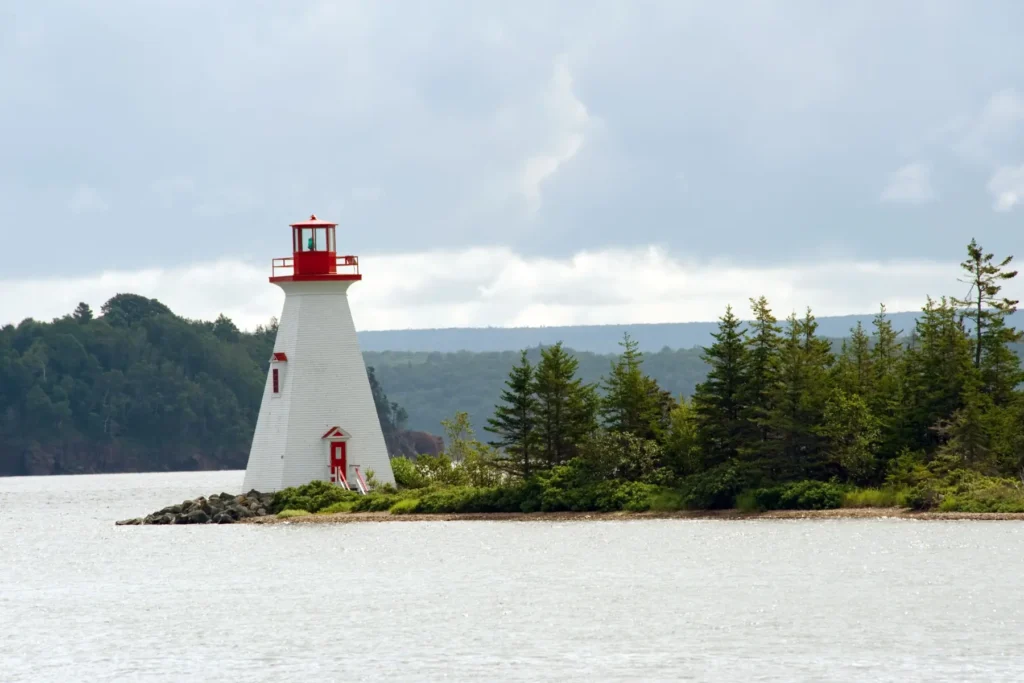
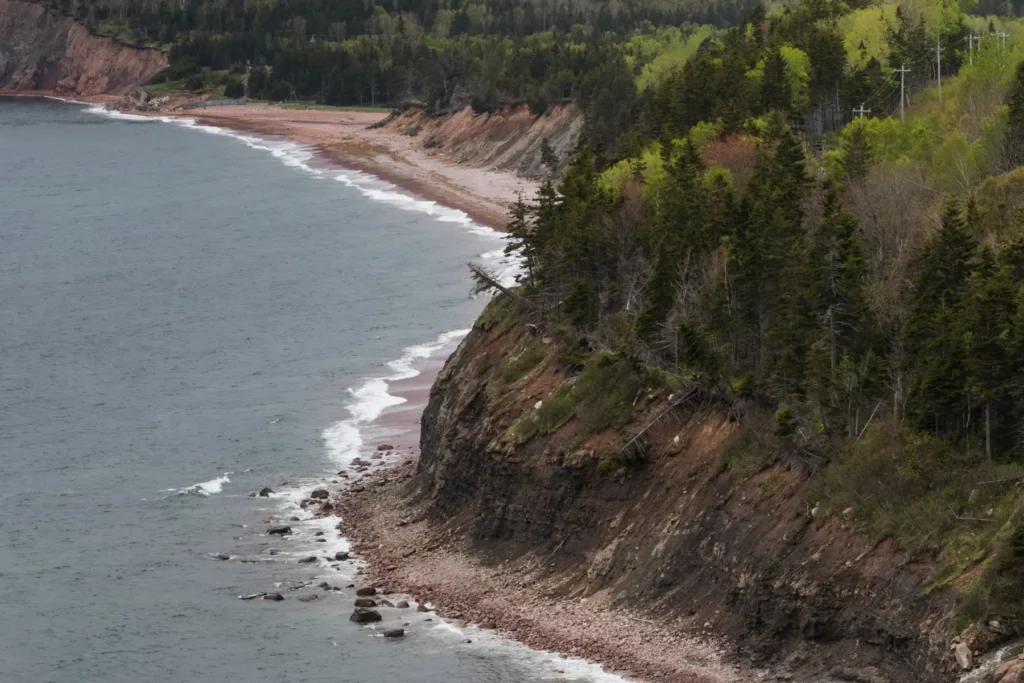

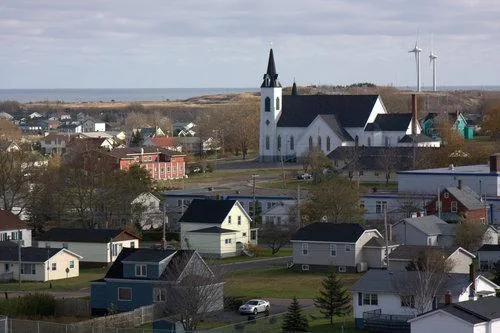
Thinking of selling?
Start with what it’s worth.
Get a free, no-pressure estimate of your home’s value from Jessica, based on recent sales in your neighbourhood.
Let’s talk
Ready when you are.
Buying, selling or just wondering what’s possible? Call, text or send a note, and Jessica will get back to you personally.