




Cape Breton real estate · Local answers
Local answers from a local REALTOR®.
Straight talk about buying and selling in Cape Breton, from Jessica Mugford, REALTOR® with RE/MAX Park Place Inc. in Sydney.
Nova Scotia Real Estate Market
Understanding the real estate landscape in Nova Scotia requires patience and local knowledge. Mugford Realty specializes in helping buyers and sellers navigate this market with clarity, offering representation and market consultation to anyone buying or selling residential property across the province. Whether you are relocating to Cape Breton, downsizing in Halifax, or investing in Nova Scotia real estate, these seven essentials will help you make confident decisions.
1. Cape Breton is a Distinct Market Within Nova Scotia
Cape Breton Island operates as its own real estate ecosystem within the broader Nova Scotia landscape. Sydney, the largest city on the island, and surrounding communities like Bras d'Or and Big Bras d'Or have distinct price points, inventory levels, and buyer demographics compared to mainland Nova Scotia. Properties here tend to appeal strongly to remote workers, retirees, and investors seeking coastal or rural settings at lower price points than comparable properties in the Halifax region. Understanding that Cape Breton real estate has its own character means understanding that comparable homes in Sydney may price differently than identical homes in Dartmouth, not because of quality but because of location desirability and local demand.
Mugford Realty's deep roots in Cape Breton mean access to MLS listings and market data specific to the island's communities. This local expertise helps buyers avoid overpaying for properties and helps sellers price competitively based on what actually moves in their neighborhood.
2. Seasonal Demand Shifts Affect Pricing and Availability
Real estate activity in Nova Scotia follows predictable seasonal patterns. Spring and early summer bring the highest inventory and buyer activity, especially among families coordinating moves around school calendars. Fall sees a secondary surge, while winter typically experiences lower activity and fewer listings on the market. This does not mean winter is a bad time to buy or sell-in fact, less competition and motivated sellers often create favorable conditions-but it does mean you should understand how timing influences your options and negotiating position.
Because fewer properties change hands in winter, the homes that do sell may command attention from serious, non-seasonal buyers. Conversely, spring competition is fierce, and properties may sell faster but at higher prices. Mugford Realty's market consultation service helps you identify whether your timeline aligns with seasonal strength or weakness in your area.
3. MLS Listings Remain the Primary Discovery Tool for Serious Buyers
The Multiple Listing Service (MLS) is the standard database where nearly all residential properties for sale are listed in Nova Scotia. Unlike open web searches, the MLS consolidates active, pending, and sold listings in one system accessible primarily through licensed real estate professionals. Understanding how to search the MLS-filtering by price, property type, location, and recently sold comparables-is essential for informed buying decisions. Many first-time homebuyers assume online portals show everything available, but the complete, real-time MLS data is available through a professional agent.
Mugford Realty provides comprehensive property search through the MLS and helps clients interpret what they find. A trained eye catches details-property condition nuances, neighborhood trends, tax assessment shifts-that raw listings alone cannot convey.
4. Market Values Vary Dramatically by Proximity to Water, Roads, and Amenities
In Nova Scotia, location commands premiums in specific, measurable ways. Waterfront properties-whether ocean, lake, or river access-typically sell at 30 to 50 percent above comparable inland properties. Proximity to major highways, internet availability, and distance to schools or shopping also shift values noticeably. A rural property in Cape Breton with reliable broadband will appeal to remote workers and investors; the same property without connectivity may appeal only to retirees or those seeking isolation. These variables are not opinion; they are documented in sold comparable sales that reveal what buyers actually paid.
Understanding your own priorities-water views versus affordability, rural quiet versus urban convenience-helps define the right neighborhoods to explore. Mugford Realty's market guidance includes analysis of comparables so you know whether a listing price reflects true value or represents overpricing in a slower micro-market.
5. First-Time Homebuyers Face Specific Challenges Around Down Payments and Inspections
Nova Scotia real estate transactions require first-time buyers to navigate down payment requirements, mortgage pre-qualification, home inspections, and title search-a sequence that can feel overwhelming without guidance. Many first-time buyers underestimate closing costs, overextend on down payments, or skip inspections to save money and end up with expensive surprises. Building an understanding of what to expect-from initial offer through final closing-removes anxiety and prevents costly mistakes.
Key steps include securing mortgage pre-qualification before making an offer, budgeting 1.5 to 2.5 percent of purchase price for closing costs, arranging a professional home inspection before finalizing any contract, and having a lawyer review all documents. Mugford Realty's buyer representation service walks clients through each step, explaining timelines and protecting your interests throughout the process.
6. Investment Properties in Nova Scotia Attract Interest From Across Canada
Investors seeking rental income, seasonal vacation properties, or land for future development increasingly look to Nova Scotia for better yields and lower entry prices than markets in Ontario or British Columbia. This outside demand has begun shifting prices, especially in attractive Cape Breton communities and near Halifax. A property purchased as a future retirement home or rental investment today may appreciate as the province becomes better known to investors and remote workers seeking to relocate.
Investment property analysis requires different metrics than owner-occupied homes. Rental income potential, property management costs, seasonal occupancy rates, and appreciation outlook matter more than cosmetic appeal. Mugford Realty's market consultation service includes guidance for investors evaluating whether a property fits their financial goals.
7. Understanding Sold Comparables Prevents Overpricing or Underpaying
The most reliable way to know if a listing price is fair is to examine what similar properties actually sold for in the same area within the past three to six months. These "comps" provide objective anchors for valuation. A seller might list a three-bedroom Cape Breton home at 450,000 dollars, but if comparable homes in the same neighborhood sold for 380,000 dollars, the listing is likely overpriced and will languish on the market. Conversely, a property listed at 320,000 dollars when comps justify 380,000 dollars represents an opportunity for a buyer or a mistake by a seller.
Accessing sold data and understanding how to weight recent sales-adjusting for condition, lot size, and age-requires professional expertise. Mugford Realty provides detailed comparable analysis as part of buyer and seller representation, ensuring you have data-driven confidence in offers and asking prices.
Whether you are buying your first home, relocating to Sydney, investing in Cape Breton property listings, or downsizing closer to family, the real estate market in Nova Scotia rewards informed participants. Mugford Realty is here to provide the knowledge and representation you need. Reach out to discuss your goals, and let's find the right path forward for your real estate needs.
Frequently Asked Questions
What is the average home price in Sydney, Cape Breton?
Home prices in Sydney and surrounding Cape Breton communities vary based on property type, condition, and location, but generally range from 250,000 to 450,000 dollars for residential homes. Waterfront properties and homes in high-demand areas command higher prices. Current market values are best determined through recent comparable sales; Mugford Realty provides up-to-date analysis for buyers and sellers.
How long does it take to sell a home in Nova Scotia?
Average days on market vary by season and location, typically ranging from 30 to 90 days depending on price, condition, and local demand. Properties in desirable Cape Breton areas may sell faster, while rural or higher-priced homes may take longer. Proper pricing, professional marketing, and working with an experienced agent significantly reduce time on market.
What should I look for in a Cape Breton home inspection?
A professional inspection should evaluate foundation condition, roof age and integrity, plumbing and electrical systems, heating systems, and evidence of water damage or pest issues. In Cape Breton's coastal environment, also verify proper drainage and any signs of salt air corrosion. Your inspector provides a detailed report; your real estate agent helps interpret findings and negotiate repairs or credits.
Is now a good time to buy or sell real estate in Nova Scotia?
Timing depends on your personal circumstances rather than market cycles alone. Buyers benefit from spring inventory and summer activity, while sellers may find less competition in fall or winter. Interest rates, local demand, and your financial readiness matter more than broad market timing. Mugford Realty's market consultation helps you decide when to act based on your specific goals.
What are waterfront property Cape Breton prices compared to inland homes?
Waterfront properties in Cape Breton typically command 30 to 50 percent premiums over comparable inland homes, depending on water access quality and views. Ocean-front properties in premium locations such as Bras d'Or may exceed inland prices by even larger margins. The premium reflects buyer demand for water views, water activities, and the scarcity of available waterfront inventory.
How do I know if an offer price is competitive in Nova Scotia?
Compare the listing to sold comparable properties in the same neighborhood from the past three to six months, adjusting for condition, lot size, and age. Your real estate agent provides detailed comps analysis showing recent sale prices and days on market. This data-driven approach prevents overpaying as a buyer or underpricing as a seller.

Your local REALTOR®
Jessica Mugford
REALTOR®, RE/MAX Park Place Inc.
Thinking about Cape Breton? Ask Jessica anything, from prices to neighbourhoods.
- Call or text(902) 322-1684
- Emailjessicamugford0@gmail.com
Send Jessica a note
Communities
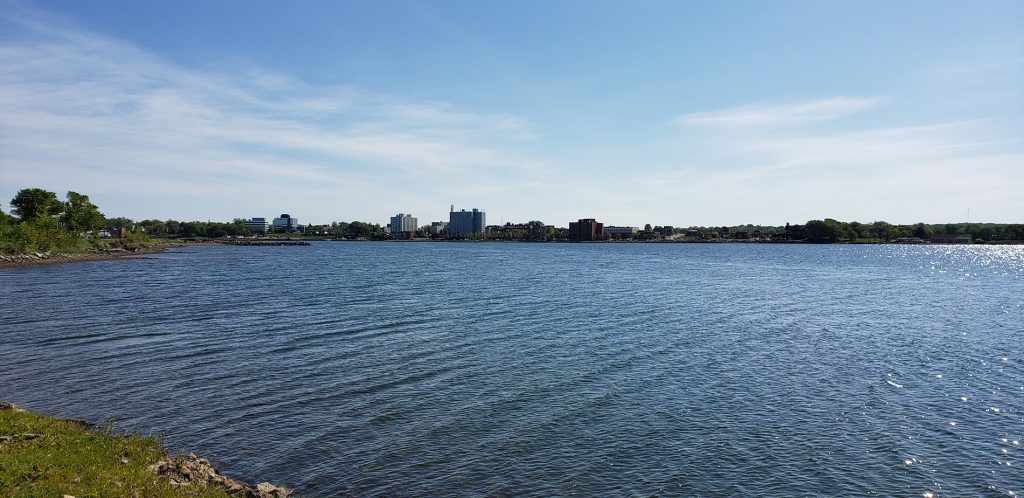
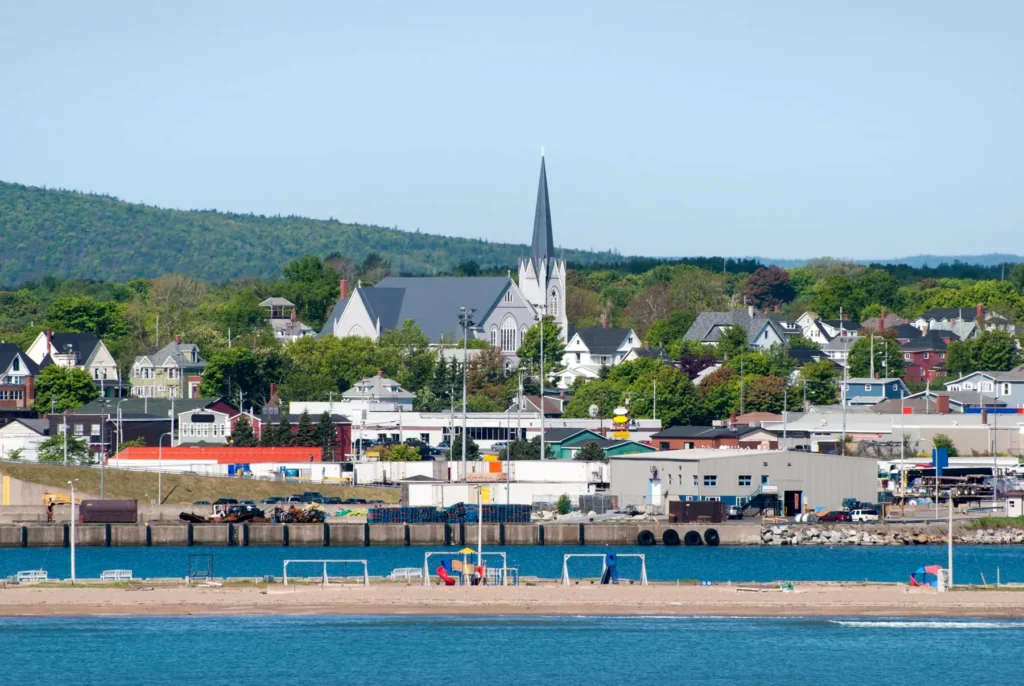
Find your corner of Cape Breton








Thinking of selling?
Start with what it’s worth.
Get a free, no-pressure estimate of your home’s value from Jessica, based on recent sales in your neighbourhood.
Let’s talk
Ready when you are.
Buying, selling or just wondering what’s possible? Call, text or send a note, and Jessica will get back to you personally.