

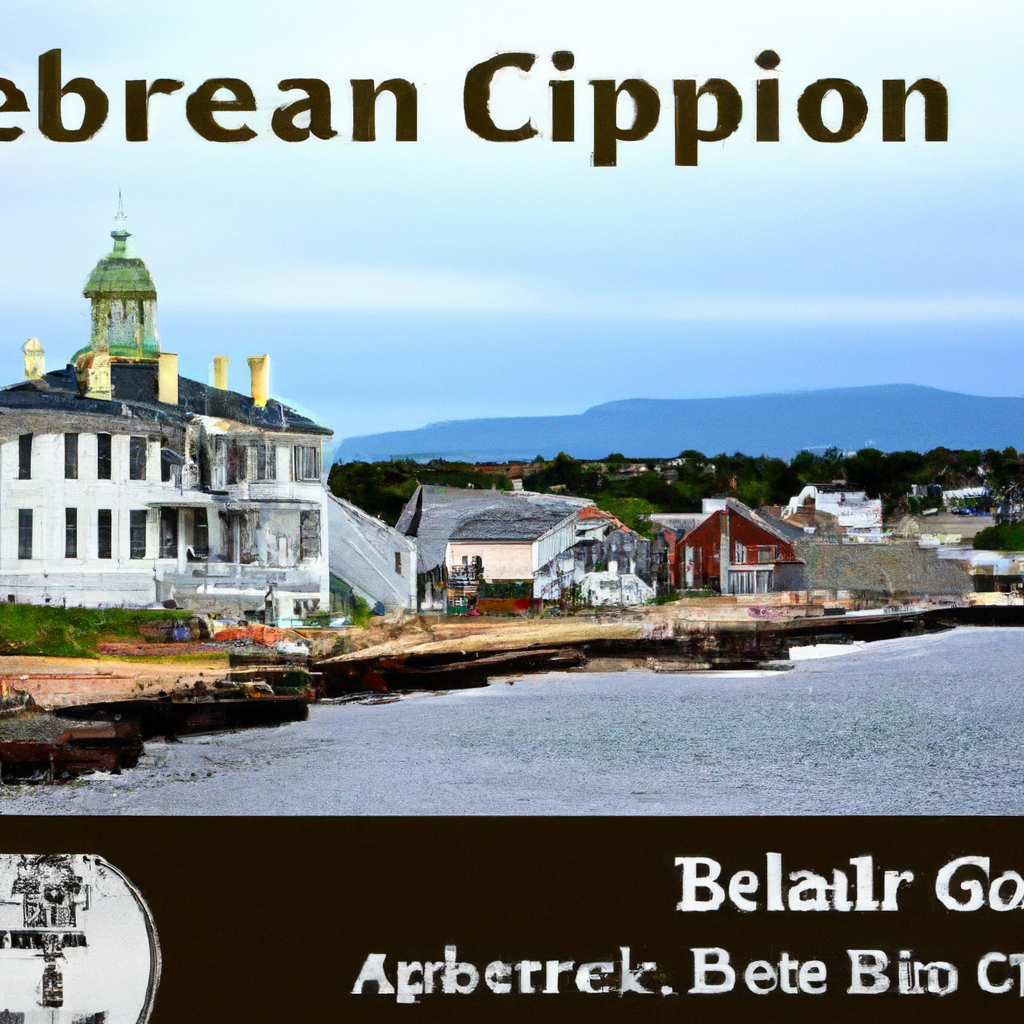
When considering the purchase of property in the picturesque region of Cape Breton, prospective buyers are drawn to its serene landscapes, rich cultural heritage, and vibrant communities. However, navigating the real estate market in this unique part of Nova Scotia requires a keen understanding of local trends, property types, and essential buyer considerations. This guide provides valuable insights into the Cape Breton real estate landscape to help you make an informed decision.
Understanding the Cape Breton Real Estate Market
Cape Breton’s real estate market is as diverse as its scenery. From cozy seaside cottages to sprawling rural estates, the options can cater to a variety of preferences and budgets. Generally, the market here remains more affordable compared to larger Canadian urban centers, making it an attractive option for both retirees looking to downsize and young families seeking a peaceful lifestyle.
Recent trends indicate a steady demand in popular areas such as Sydney, Baddeck, and along the Cabot Trail. These locations offer a mix of residential homes, vacation properties, and investment opportunities. The market is influenced by both local and external buyers, including those from other provinces and international investors, which can occasionally drive up prices during peak buying seasons.
Key Factors to Consider When Buying in Cape Breton
Before diving into the Cape Breton real estate market, there are several factors to consider:
- Location: Cape Breton’s geography is varied. Decide whether you prefer the vibrant community life of urban areas like North Sydney, the quiet charm of smaller towns like Cheticamp, or the remote tranquility of areas like the Highlands. Each area offers different amenities, accessibility, and lifestyle attributes.
- Type of Property: Are you looking for a waterfront property, a rural farm, or a historic home in the heart of town? Each type of property comes with different maintenance considerations, potential for appreciation, and lifestyle implications.
- Local Economy and Services: Understanding the local economy, job market, and available services is crucial, especially for those planning to work or start a business. Areas with a robust tourist industry, like those near the Cabot Trail, might offer different opportunities compared to the more industrially oriented Sydney.
- Climate and Environment: Cape Breton experiences a range of weather conditions, and understanding these can help you choose a location and a home that fits your tolerance for winter snows or coastal breezes.
Navigating Your Purchase
Purchasing property in Cape Breton, like anywhere else, involves several steps from initial browsing to making an offer and closing the deal. It’s advisable to work with a local real estate agent who understands the nuances of the Cape Breton market. They can provide insights into fair pricing, upcoming areas for investment, and help navigate local real estate laws and regulations.
Additionally, consider the long-term implications of your purchase. Property taxes, upkeep costs, and potential for property value appreciation should all be part of your decision-making process. Getting a home inspection and a property appraisal are also prudent steps to ensure you make a well-informed purchase.
Conclusion
Buying real estate in Cape Breton can be a rewarding investment, offering not just a home but a lifestyle rich in natural beauty and community spirit. With the right preparation and understanding of the local market, you can find a property that meets your needs and expectations. Whether you’re drawn to the island for its cultural festivals, outdoor adventures, or simply the calm of a seaside retreat, Cape Breton’s real estate market has something to offer every prospective homeowner.
By considering these insights and approaching your purchase with careful consideration, you’ll be well on your way to owning a piece of one of Canada’s most cherished landscapes.